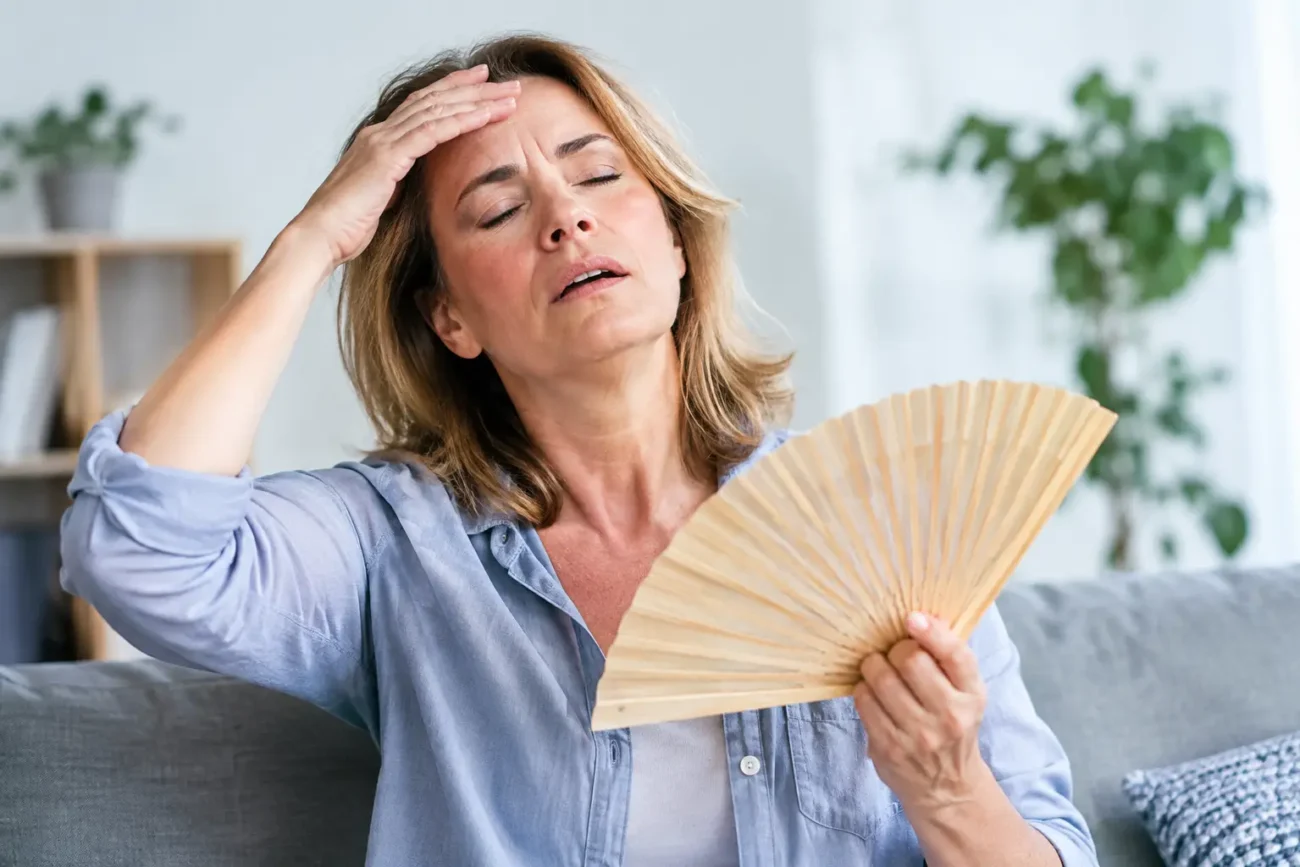
A hot flash that used to be an occasional inconvenience can suddenly become a nightly wake-up call. If you are asking, why do hot flashes worsen, the answer is often a mix of changing hormones, everyday triggers, sleep disruption, and sometimes a health issue worth checking.
Hot flashes are common during perimenopause and menopause, but common does not mean you have to simply put up with them. Looking for patterns can help you reduce their impact and have a more useful conversation with your clinician.
Why Hot Flashes Can Worsen Over Time
A hot flash is a sudden sensation of heat, often beginning in the chest, neck, or face, followed by sweating, flushing, and sometimes chills or a racing heartbeat. It happens when the brain’s temperature-control center becomes more sensitive to small changes in body temperature.
Estrogen helps regulate that system. During perimenopause, estrogen does not decline in a smooth, predictable line. It can rise and fall sharply from one month to the next, and those swings can narrow the body’s comfort zone. A room, meal, stressful meeting, or glass of wine that once caused no problem may suddenly be enough to trigger a surge of heat.
For many people, symptoms are most erratic during late perimenopause, when menstrual cycles become less predictable. Some find hot flashes ease after their final period; others notice that they continue or become more disruptive in the first years after menopause. There is a wide normal range. Frequency and severity can also shift with seasons, life stress, and changes in health.
Sleep loss creates a frustrating cycle
Night sweats are hot flashes that happen during sleep. They can wake you directly, but the relationship goes both ways: poor sleep may also make you feel more sensitive to hot flashes the next day. When you are tired, your stress response tends to run higher, and the discomfort of a brief episode can feel much harder to tolerate.
This does not mean the symptoms are “just stress.” The underlying biology is real. Still, protecting sleep can lower the overall burden, especially when sleep habits and bedroom temperature have quietly changed.
Stress and anxiety can turn up the volume
Stress does not cause menopause, but it can make vasomotor symptoms – the medical term for hot flashes and night sweats – more frequent or more noticeable. A stressful stretch at work, caregiving demands, grief, or chronic worry can activate the body’s fight-or-flight response. That may make heat, sweating, and a pounding heart feel more intense.
Anxiety can also overlap with hot flashes. A sudden wave of warmth can feel alarming, particularly if it comes with palpitations. Slow breathing, regular movement, and support for anxiety can help some people, though they are not substitutes for medical care when symptoms are severe.
Everyday Triggers That May Make Hot Flashes Worse
Triggers vary widely. One person may react strongly to red wine, while another notices no change. Rather than eliminating everything at once, it is usually more useful to track symptoms and look for repeatable patterns over two or three weeks.
Common triggers include alcohol, especially wine or spirits; hot drinks; spicy foods; caffeine; warm rooms; hot baths; smoking; and tight or heavy clothing. Large meals may be a trigger for some people, particularly in the evening. A hot flash is more likely when several factors stack up, such as a spicy dinner, a drink, poor sleep, and an overheated bedroom.
Alcohol deserves special attention because it can both trigger flushing and fragment sleep later in the night. You do not necessarily need to give it up forever, but experimenting with a smaller amount, an earlier time, or alcohol-free evenings can offer useful information.
Smoking is associated with more bothersome hot flashes and carries many other health risks. If quitting has been difficult, it is worth asking for evidence-based support rather than trying to rely on willpower alone.
Weight changes and fitness changes may play a role
Body composition can affect heat regulation, though this is not a reason to blame yourself for symptoms or pursue aggressive dieting. Research suggests that higher body weight is associated with more frequent or severe hot flashes for some women. Regular physical activity supports sleep, mood, cardiovascular health, and long-term function, even when it does not immediately stop hot flashes.
The practical goal is consistency. Brisk walking, strength training, cycling, swimming, or another form of movement you can maintain is more valuable than punishing workouts that leave you exhausted and disrupt recovery.
Medication and Health Changes to Consider
If hot flashes noticeably worsen after you start, stop, or change a medication, bring that timing to your prescriber. Some antidepressants, pain medications, steroids, and drugs that affect hormones can contribute to sweating or flushing. Medication changes should never be made on your own, especially if the drug treats depression, blood pressure, cancer, or another ongoing condition.
Thyroid conditions can also cause heat intolerance, sweating, tremor, palpitations, and sleep problems. An overactive thyroid can resemble or amplify menopausal symptoms. Infections, low blood sugar, reflux, and certain less common hormone-related conditions may also cause sweating or flushing. Menopause may still be the likely explanation, but new or unusually intense symptoms deserve a proper assessment rather than an assumption.
If you have had treatment for breast cancer or another condition that caused abrupt menopause, hot flashes may be particularly intense. The best treatment options can differ based on your medical history, so individualized guidance matters.
What Can Help When Hot Flashes Are Getting Worse
Start with the changes that make the biggest difference to your day-to-day comfort. Keep the bedroom cool, use breathable layers and bedding, and consider a fan by the bed. If night sweats are your main problem, having a spare sleep shirt nearby can make it easier to fall back asleep without fully waking up.
A brief symptom log can be surprisingly useful. Note the time of each episode, what you ate or drank beforehand, your stress level, sleep quality, menstrual changes if relevant, and any medication changes. The goal is not perfect tracking. It is to see whether there is a pattern you can act on.
Mind-body approaches, including cognitive behavioral therapy designed for menopause symptoms, may help reduce the distress and sleep disruption hot flashes cause. Paced breathing, mindfulness, and relaxation practices can be useful tools as well. Their effects vary, but they are low-risk options for many people when used alongside medical care.
For moderate to severe symptoms, talk with a clinician about treatment. Menopausal hormone therapy is the most effective treatment for hot flashes for many healthy people who are close to the start of menopause and do not have reasons to avoid it. The decision depends on age, time since menopause, personal and family history, whether you have a uterus, and risks such as blood clots, stroke, certain cancers, or liver disease.
There are also nonhormonal prescription options. Depending on your circumstances, these may include certain antidepressants, a nerve-pain medication, a blood-pressure medication, or newer medications that target the brain pathways involved in temperature regulation. Supplements marketed for menopause are less straightforward: quality and ingredients vary, and “natural” does not always mean effective or safe. Discuss herbs and supplements with a clinician or pharmacist, especially if you take other medications.
When to Make an Appointment
Make a routine appointment if hot flashes are disrupting sleep, work, mood, exercise, or relationships, or if they have changed sharply without an obvious reason. You do not need to wait until you feel completely depleted to ask for help.
Seek prompt medical advice for night sweats accompanied by fever, unexplained weight loss, persistent cough, swollen lymph nodes, chest pain, fainting, or severe shortness of breath. New palpitations or sweating that seem unrelated to menopause also deserve evaluation. These symptoms often have treatable explanations, but they should not automatically be written off as hormones.
Worsening hot flashes can feel like your body has changed the rules without warning. Often, a few carefully chosen adjustments and a candid medical conversation can make the days more comfortable and the nights more restorative.
