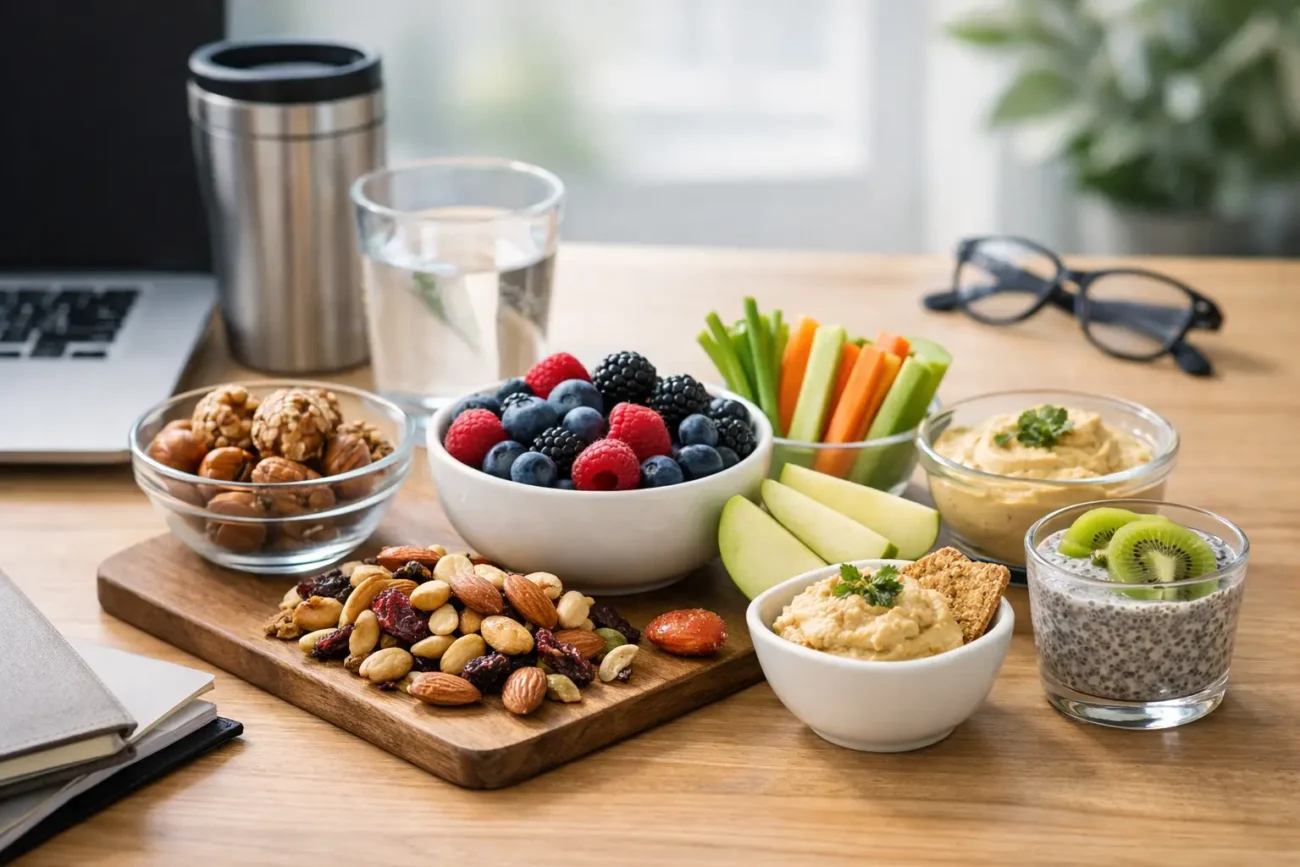
That 3 p.m. slump is not always a sign that you need more coffee. Often, it is the predictable result of a snack or lunch that raised blood sugar quickly, then left you running on empty. The best snacks for steady energy do something more useful: they combine protein, fiber, and satisfying fats so your body has fuel it can use gradually.
This matters more in midlife, when sleep changes, shifting hormones, busy schedules, and changes in muscle mass can make energy feel less dependable. A thoughtful snack will not fix persistent fatigue, but it can make the stretch between meals feel steadier, clearer, and far less ruled by the vending machine.
What makes a snack energizing rather than draining?
Carbohydrates are not the enemy of steady energy. Your brain and muscles use glucose for fuel. The issue is whether a snack delivers mostly refined carbohydrate – such as candy, a pastry, or a handful of crackers – with little else to slow digestion.
Pairing carbohydrate with protein, fiber, or fat tends to soften the rise in blood sugar and helps fullness last longer. Protein also supports muscle maintenance, which becomes increasingly relevant after age 40. Fiber, found in foods such as fruit, beans, vegetables, oats, and nuts, supports digestion and can help make a snack more filling without making it heavy.
The ideal amount depends on your appetite, activity, and the time until your next meal. A small snack may be enough if dinner is an hour away. If you have a long afternoon, have exercised, or know you will be eating late, choose a more substantial option.
12 best snacks for steady energy
The most practical choices are foods you will actually keep around and enjoy. These options are portable, flexible, and built around the nutrients that help energy last.
1. Apple slices with peanut or almond butter
An apple offers water and fiber, while nut butter adds fat and a modest amount of protein. It is a classic for a reason: crisp, sweet, and far more sustaining than an apple alone. Choose peanut or almond butter with minimal added sugar, and keep the portion to a spoonful or two if you are not very hungry.
2. Plain Greek yogurt with berries
Greek yogurt is typically higher in protein than regular yogurt, and berries add fiber, flavor, and a naturally sweet finish. Plain yogurt gives you more control over added sugar. If you prefer a little extra texture, add chopped walnuts, chia seeds, or a small spoonful of oats.
3. Hummus with vegetables and whole-grain crackers
Hummus brings protein and fiber from chickpeas, while raw vegetables add crunch and volume. A few whole-grain crackers can make this snack feel more complete, especially before an active afternoon. Look for crackers where whole grains are among the first ingredients, rather than varieties that are mostly refined flour.
4. Cottage cheese with fruit
Cottage cheese is an easy protein-rich base that works with peaches, pineapple, berries, or sliced pear. The contrast of creamy and fresh makes it feel more like a real snack than a health assignment. If sodium is a concern for you, compare labels, since amounts vary significantly by brand.
5. A small handful of nuts and a piece of fruit
Walnuts, almonds, pistachios, and cashews offer healthy fats, some protein, and minerals. Fruit provides carbohydrate for quick, gentle fuel. Nuts are calorie-dense, so a small handful is usually enough. Pre-portioning them into containers can prevent the familiar habit of eating directly from the bag.
6. Hard-boiled eggs with cherry tomatoes
Eggs are compact, affordable, and satisfying, with high-quality protein and fat. Pairing them with tomatoes, snap peas, or a piece of fruit adds fiber and freshness. This is especially useful for people who find that sweet snacks leave them hungrier rather than satisfied.
7. Edamame with a pinch of salt
Edamame provides plant protein, fiber, and a satisfying chew. Buy it frozen in pods or shelled, then steam a portion in minutes. A light sprinkle of salt, chili flakes, or lemon can make it more appealing. If you need to limit sodium, season it with herbs or citrus instead.
8. Oatmeal with seeds
A small bowl of oatmeal is not reserved for breakfast. Oats contain a soluble fiber called beta-glucan, which slows digestion and supports heart health. Make it with milk or a fortified soy milk for added protein, then stir in chia, hemp, or pumpkin seeds. Skip the flavored packets that can turn a filling snack into a sugar-heavy one.
9. Whole-grain toast with avocado
Avocado provides unsaturated fat and fiber, while whole-grain toast offers longer-lasting carbohydrate than white bread. A squeeze of lemon, black pepper, or a sprinkle of seeds keeps it interesting. For more protein, add a sliced egg or a layer of cottage cheese.
10. Roasted chickpeas
Roasted chickpeas are crunchy enough to stand in for chips but offer fiber and plant protein. You can make them at home with olive oil and spices, or choose a packaged version with a short ingredient list. They are best paired with water or unsweetened tea, since thirst can sometimes feel like a need for another snack.
11. A cheese stick with a pear or orange
Cheese provides protein and fat, while a pear or orange contributes fiber and natural sweetness. It is a particularly convenient option for errands, travel days, or the drive home from work. If you do not eat dairy, try a fortified soy yogurt or a small serving of tofu alongside fruit instead.
12. Tuna or salmon on cucumber rounds
Canned tuna or salmon mixed with a little yogurt, mustard, or olive oil makes a satisfying savory snack. Serve it on cucumber rounds, bell pepper strips, or whole-grain crispbread. Salmon has the added benefit of omega-3 fats, though variety is wise – rotate with eggs, beans, chicken, or other protein sources.
How to build your own steady-energy snack
When the refrigerator is nearly empty or none of these combinations appeal to you, use a simple formula: start with a protein or fiber-rich food, then add a produce item or a modest portion of whole-food carbohydrate. For example, a banana becomes more sustaining with yogurt; crackers improve with hummus; and leftover chicken becomes a snack with a few grapes and whole-grain toast.
Try not to judge a snack only by its calorie count. A 100-calorie snack that leaves you ravenous 20 minutes later may be less useful than a 200-calorie snack that carries you comfortably to dinner. The goal is not to eat as little as possible. It is to eat in a way that supports stable appetite, concentration, and mood.
A few common energy traps
“Healthy” snack bars, dried fruit, flavored yogurt, and smoothies can be convenient, but they vary widely. Some contain enough added sugar to produce the same quick rise-and-fall pattern as a dessert. That does not mean they are forbidden. It simply means they work better when paired with protein or when chosen with a quick label check in mind.
Caffeine deserves a mention, too. Coffee or tea can improve alertness, but it does not replace food when you are genuinely underfueled. Late-afternoon caffeine may also interfere with sleep, setting up another tired day tomorrow. If fatigue is new, severe, or ongoing despite adequate sleep and regular meals, speak with a health professional. Conditions such as anemia, thyroid disease, depression, sleep apnea, medication effects, and blood sugar problems can all affect energy.
People with diabetes or who use glucose-lowering medication may need more individualized guidance on snack timing and carbohydrate amounts. A registered dietitian or clinician can help tailor these choices safely.
The most helpful snack is often the one you make easy to reach: washed fruit on the counter, eggs prepared in advance, yogurt in the refrigerator, and nuts portioned for the week. A little preparation can turn the afternoon from something to survive into a part of the day when you still feel like yourself.

2 thoughts on “12 Best Snacks for Steady Energy, Without the Crash”