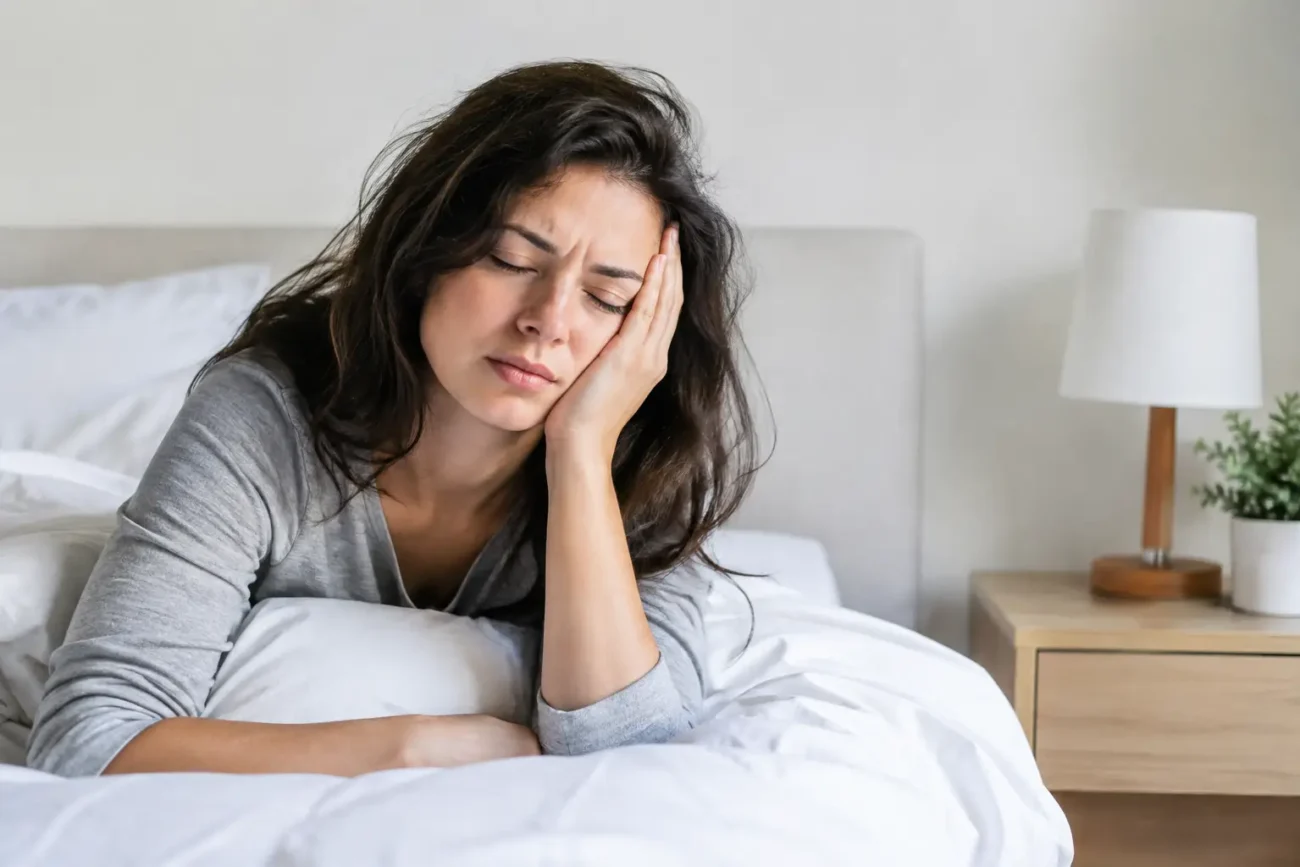
Waking up tired after what looked like a full night in bed is frustrating, especially when you are already doing many of the things people recommend for health. If you are wondering why tired every morning has become your pattern, the answer is often less about willpower and more about sleep quality, body rhythms, medications, or an underlying health issue worth checking.
A rough morning now and then is normal. Persistent fatigue is different. It deserves some curious, practical attention, particularly if it is affecting your concentration, mood, exercise routine, or ability to enjoy daily life.
You may be getting enough sleep, but not restorative sleep
Adults often focus on the number of hours they spend in bed. Seven to nine hours works well for many people, but the quality and timing of those hours matter just as much. Sleep moves through lighter stages, deep sleep, and REM sleep. Frequent awakenings can interrupt that pattern, even if you do not remember being awake for long.
A bedroom that is too warm, noise from a partner or street, pain, reflux, or needing to use the bathroom can all fragment sleep. So can checking the clock and worrying about not sleeping. The result is a night that technically lasted eight hours but did not provide much true recovery.
Before assuming you need a supplement or a dramatic reset, look for simple clues. Do you wake repeatedly? Is your room bright early in the morning? Do you feel noticeably better after sleeping somewhere quieter or on a day when you do not drink alcohol? Those details can point toward a fix.
A mismatch between your body clock and your schedule can leave you drained
Your circadian rhythm is the internal timing system that helps regulate alertness, sleep, body temperature, and hormones. It responds strongly to light and routine. Late-night screens, irregular bedtimes, sleeping in very late on weekends, and little outdoor light in the morning can shift that rhythm later.
This does not mean you need a perfectly rigid schedule. It does mean that a wake-up time that changes by several hours from one day to the next can feel a bit like mild jet lag. You may be in bed at the socially expected hour while your body is not ready for deep sleep.
Morning daylight is one of the most useful, low-risk signals for resetting the clock. Try getting outside soon after waking, even for a brief walk or coffee on the porch. Pair it with a reasonably consistent wake-up time for two weeks before deciding whether it helps. For many people, that is more effective than trying to force an earlier bedtime.
Sleep apnea is a common and often missed reason for morning exhaustion
Obstructive sleep apnea happens when the upper airway repeatedly narrows or closes during sleep. The brain briefly rouses the body to reopen the airway, which can happen many times a night. These awakenings are often too brief to remember, but they can leave you unrefreshed.
Loud snoring, gasping or choking during sleep, waking with a dry mouth, morning headaches, and daytime sleepiness are familiar signs. But apnea does not look the same in everyone. Women, particularly after menopause, may be more likely to report insomnia, fatigue, low mood, or waking often rather than classic loud snoring.
Weight can affect risk, but apnea also occurs in people who are not overweight. Age, family anatomy, alcohol near bedtime, nasal congestion, and certain medications can contribute. If a partner has noticed breathing pauses, or you are regularly sleepy while driving or sitting quietly, speak with a clinician promptly. Home sleep testing or a sleep study can clarify what is going on.
Alcohol, caffeine, and late meals can quietly disrupt sleep
A glass of wine may make you feel sleepy, but alcohol can reduce sleep quality later in the night and increase awakenings as it wears off. It can also worsen snoring and sleep apnea. For some people, the difference between one evening drink and none is surprisingly noticeable by morning.
Caffeine is more individual. Its effects can linger for hours, and sensitivity often changes with age. If afternoon coffee is part of your routine, experiment with making your last caffeinated drink earlier in the day rather than giving it up entirely. A two-week trial gives a clearer answer than one restless night.
Heavy, spicy, or very late meals may trigger reflux or discomfort that disrupts sleep. On the other hand, going to bed hungry can also make sleep harder. The goal is not dietary perfection. It is noticing whether your usual evening habits line up with the nights when you wake most often.
Hormonal changes can change the way sleep feels
Perimenopause and menopause commonly bring night sweats, hot flashes, palpitations, and more frequent awakenings. Even without obvious hot flashes, changing estrogen levels can affect sleep regulation and mood. Sleep apnea risk also rises after menopause.
For men, testosterone gradually changes with age, although tiredness alone does not establish low testosterone. Poor sleep, stress, excess alcohol, depression, thyroid conditions, and several other issues can produce similar symptoms. A thoughtful medical evaluation is more useful than assuming hormones are the whole story.
If night sweats, menstrual changes, hot flashes, reduced libido, or other new symptoms accompany your fatigue, bring the full picture to your clinician. There are evidence-based approaches for menopausal symptoms, and treating the symptom that is waking you may improve energy during the day.
Medications and health conditions deserve a closer look
Many common medications can cause drowsiness or alter sleep. Some allergy medicines, pain medications, muscle relaxants, certain antidepressants, blood pressure drugs, and sleep aids are examples. Even a medication intended to help sleep can leave some people groggy the next morning, particularly if the dose or timing is not right.
Do not stop a prescribed medication on your own. Instead, ask a pharmacist or prescribing clinician whether fatigue, insomnia, or morning grogginess could be a side effect or interaction. Bring a complete list, including over-the-counter medicines, cannabis products, and supplements.
Persistent fatigue can also be connected with conditions such as anemia, thyroid disorders, diabetes, depression, anxiety, chronic pain, heart or lung disease, and vitamin deficiencies. None of these can be diagnosed from tiredness alone. But when fatigue is new, worsening, or unexplained, basic evaluation and targeted blood work may be appropriate.
Why you are tired every morning may be connected to stress, not a lack of discipline
Chronic stress can keep the nervous system on alert, making it harder to fall asleep and easier to wake at 3 a.m. You may feel exhausted yet mentally switched on. Caregiving, work uncertainty, grief, financial pressure, and health worries can all show up in the body at night.
The most helpful response is usually not telling yourself to relax. Create a small buffer between the day and bed: dim lights, put work and news away, write down tomorrow’s tasks, stretch, read, or take a warm shower. Choose a routine you can repeat, not an elaborate ritual that becomes another item on the to-do list.
If low mood, loss of interest, persistent worry, or changes in appetite are also present, consider discussing them with a health professional. Mental health and sleep are closely linked, and support can improve both.
A practical two-week reset
Rather than changing everything at once, keep a brief sleep and energy log for 14 days. Note bedtime, wake time, awakenings you remember, alcohol and caffeine timing, exercise, snoring reports, and how alert you feel by late morning. Patterns are easier to see on paper than in memory.
During that period, choose a consistent wake-up time, get outdoor light early, move your body most days, and keep alcohol and large meals away from bedtime. Aim for a cool, dark, quiet room. If you regularly lie awake for long stretches, get out of bed briefly and do something calm in dim light until you feel sleepy again, rather than turning the bed into a place for frustration.
These steps will not solve every cause of fatigue. They can, however, improve the basics and give you useful information for a medical appointment.
When to make an appointment
Schedule a medical visit if morning fatigue lasts more than a few weeks despite reasonable sleep habits, or if it is clearly worsening. Seek care sooner for breathing pauses, severe daytime sleepiness, chest pain, shortness of breath, fainting, unexplained weight loss, black or bloody stools, or new neurologic symptoms.
You do not have to accept dragging yourself through each morning as an unavoidable part of getting older. A few carefully observed changes, plus the right medical questions when needed, can make the path to steadier energy much clearer.
