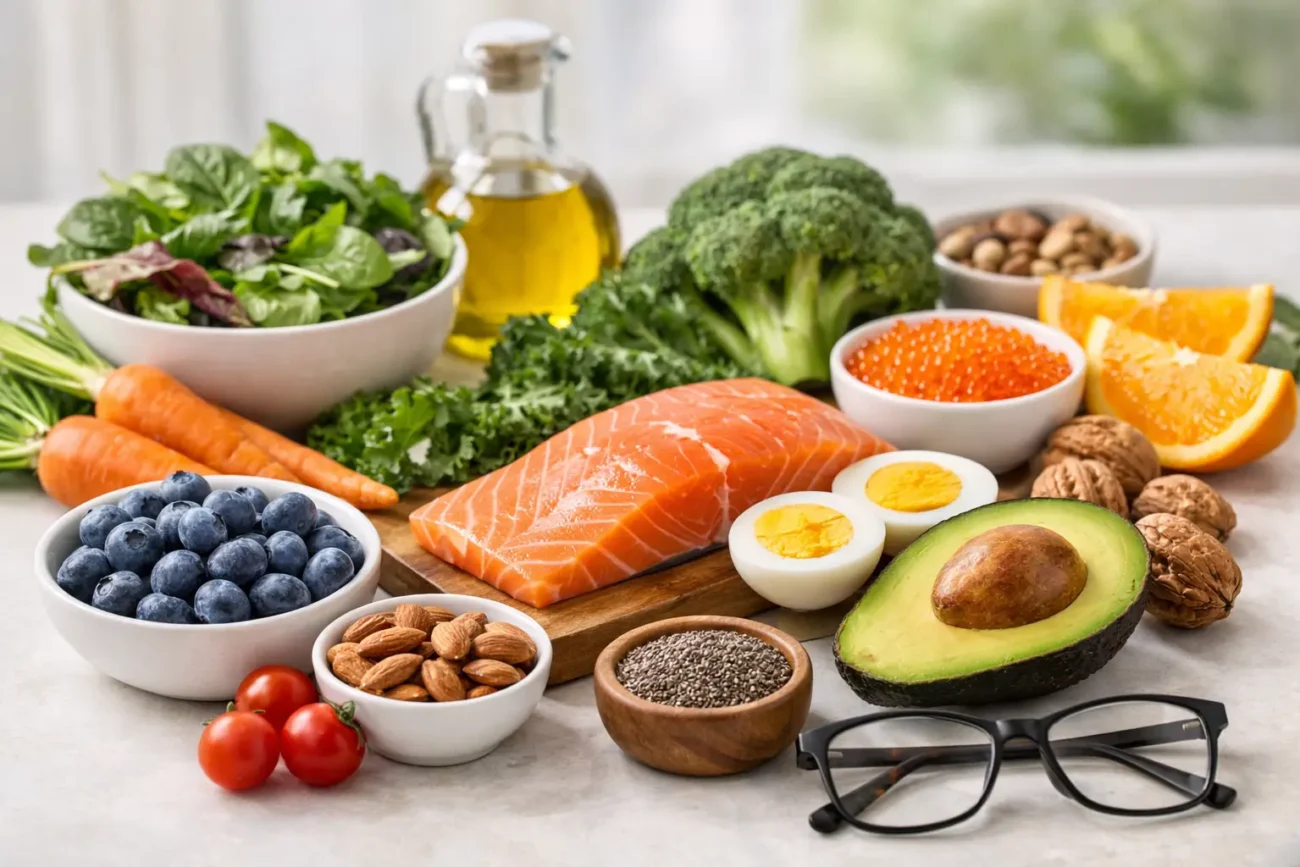
A sharper nutrition plan will not make reading glasses disappear, but it can support the parts of your eyes that work hard every day. The best foods for eye health are not exotic powders or one perfect “superfood.” They are familiar foods that supply nutrients your retina, lens, blood vessels, and tear film use to function well over time.
That matters more in midlife. Age-related changes in vision are common, and conditions such as cataracts, dry eye, diabetic eye disease, and age-related macular degeneration become more relevant with each decade. Food cannot replace regular eye exams or medical care, especially if you notice sudden vision changes. But a pattern of eating that protects cardiovascular and metabolic health also gives your eyes meaningful support.
Why food matters for aging eyes
Your eyes are unusually active tissues. The retina, a light-sensitive layer at the back of the eye, needs a steady supply of nutrients and oxygen. It is also exposed to light and normal metabolic activity that can create oxidative stress. Antioxidants help the body manage that stress, while healthy fats support cell membranes and the tear layer that keeps eyes comfortable.
The strongest dietary evidence tends to center on lutein and zeaxanthin, two carotenoids found in the macula, the central part of the retina responsible for detailed vision. Omega-3 fats, vitamins C and E, zinc, and copper also play roles in eye function. You do not need to chase every nutrient individually. A varied, plant-forward diet with fish or other quality protein is a more useful goal.
The best foods for eye health, one meal at a time
1. Dark leafy greens
Spinach, kale, collard greens, Swiss chard, and romaine are among the richest food sources of lutein and zeaxanthin. These pigments are concentrated in the macula, where they help filter some high-energy blue light and act as antioxidants.
Raw salads count, but cooked greens can make it easier to eat a meaningful portion. Try sautéing spinach with eggs, folding kale into soup, or adding chopped greens to a grain bowl. Include a little fat, such as olive oil, avocado, nuts, or an egg yolk, because carotenoids are absorbed better alongside fat.
2. Eggs
Egg yolks provide lutein and zeaxanthin in a form the body appears to absorb well, along with protein and other nutrients. Eggs are not as concentrated in these pigments as kale or spinach, but they are convenient and easy to eat regularly.
For most people, eggs can fit comfortably into a heart-healthy eating pattern. If you have been told to limit dietary cholesterol because of a specific medical condition, follow the guidance from your clinician rather than assuming one rule fits everyone.
3. Orange and yellow vegetables
Carrots get most of the attention, and they do provide beta-carotene, which the body can convert to vitamin A. Vitamin A is essential for vision in low light and for maintaining the eye’s surface. But carrots are just one option. Sweet potatoes, winter squash, pumpkin, red bell peppers, and cantaloupe offer similar benefits, often with vitamin C as an added bonus.
Vitamin A deficiency can harm eyesight, but it is uncommon in people who eat a reasonably varied diet in the United States and Europe. More carrots will not cure nearsightedness or prevent every eye condition. Think of these vegetables as dependable contributors, not vision medicine.
4. Colorful berries and citrus
Oranges, grapefruit, strawberries, kiwi, blueberries, and blackberries provide vitamin C and a broad mix of plant compounds. Vitamin C is involved in collagen production, including in the cornea, and helps protect cells from oxidative stress.
Whole fruit is usually more helpful than juice because it comes with fiber and has less impact on blood sugar. That is relevant for eye health: consistently high blood sugar can damage the tiny blood vessels in the retina over time. If you have diabetes or prediabetes, the overall quality and balance of your meals matters at least as much as any single eye-friendly food.
5. Fatty fish
Salmon, sardines, trout, herring, and mackerel are rich in omega-3 fatty acids, especially DHA and EPA. DHA is a structural fat found in the retina, and omega-3s may be helpful for some aspects of eye-surface comfort, although dry eye has many causes and food is not a guaranteed fix.
Aim for fatty fish regularly if you enjoy it and it works with your dietary preferences. Canned salmon and sardines are affordable options. If you do not eat fish, talk with a health professional about whether algae-based DHA or another approach makes sense for you. Flaxseed, chia, and walnuts contain a plant omega-3 called ALA, which is nutritious, though the body converts only a limited amount into DHA and EPA.
6. Nuts, seeds, and legumes
Almonds, sunflower seeds, hazelnuts, peanuts, lentils, chickpeas, and beans bring vitamin E, zinc, protein, and fiber to the table. Vitamin E is an antioxidant that helps protect cell membranes, while zinc is involved in moving vitamin A from the liver to the retina.
A handful of nuts can be a practical snack, but portions still matter because they are calorie-dense. Beans and lentils are especially useful if you are also watching cholesterol, blood sugar, or blood pressure – three areas that influence long-term blood vessel health, including the vessels that nourish the eyes.
7. Oysters, poultry, and other zinc sources
Oysters are exceptionally high in zinc, but they are hardly an everyday food for most households. Poultry, beef, dairy foods, beans, pumpkin seeds, and fortified cereals can also contribute zinc. The goal is adequacy, not excess.
High-dose zinc supplements are not automatically beneficial and can interfere with copper balance. Certain people with intermediate or advanced age-related macular degeneration may be advised to use a specific eye vitamin formula based on the AREDS2 research. That is a medical conversation, not a reason for everyone to start an eye supplement.
8. Tomatoes and red peppers
Tomatoes, red bell peppers, watermelon, and pink grapefruit contain lycopene, another carotenoid associated with antioxidant activity. They are not replacements for leafy greens, which remain the standout source of lutein and zeaxanthin, but they broaden the mix of protective plant pigments on your plate.
Cooked tomato products can be particularly useful because heating makes lycopene easier for the body to absorb. A simple tomato sauce with olive oil, served with vegetables and protein, is a very reasonable eye-health meal.
A realistic plate beats a perfect grocery list
Trying to eat all of these foods every day can turn a useful idea into another health project to manage. Instead, build repetition into meals you already like. An omelet with spinach and peppers, yogurt with berries and walnuts, lentil soup with a side salad, or salmon with roasted sweet potatoes all cover several bases at once.
A Mediterranean-style pattern is a sensible framework: plenty of vegetables and fruit, beans, nuts, whole grains, olive oil, and fish, with less ultra-processed food and excess added sugar. This approach supports the heart and brain as well as the eyes. There is no clean dividing line between eye health and vascular health.
If you take warfarin, keep your intake of vitamin K-rich leafy greens consistent rather than suddenly increasing or avoiding them. Your prescribing clinician can help you make dietary changes safely. And if you smoke, quitting is one of the most meaningful actions you can take for eye health. Smoking raises the risk of age-related macular degeneration and cataracts, and high-dose beta-carotene supplements are not considered safe for current or former smokers.
When diet is not enough
Make an eye appointment promptly for flashes of light, a sudden increase in floaters, a dark curtain or shadow in your vision, sudden loss of vision, eye pain, or significant redness. These symptoms are not nutrition problems to troubleshoot at home.
For everyday prevention, regular comprehensive eye exams remain essential, particularly after 40 and sooner if you have diabetes, high blood pressure, glaucoma in the family, or a personal history of eye disease. Your ophthalmologist or optometrist can spot changes before you notice them and can tell you whether supplements are appropriate for your particular risk.
The most helpful way to eat for your eyes is also one of the least dramatic: put more color, leafy greens, beans, nuts, and fish on your plate over the course of a normal week. Small, repeatable choices give your eyes far more support than a short-lived burst of dietary perfection.
