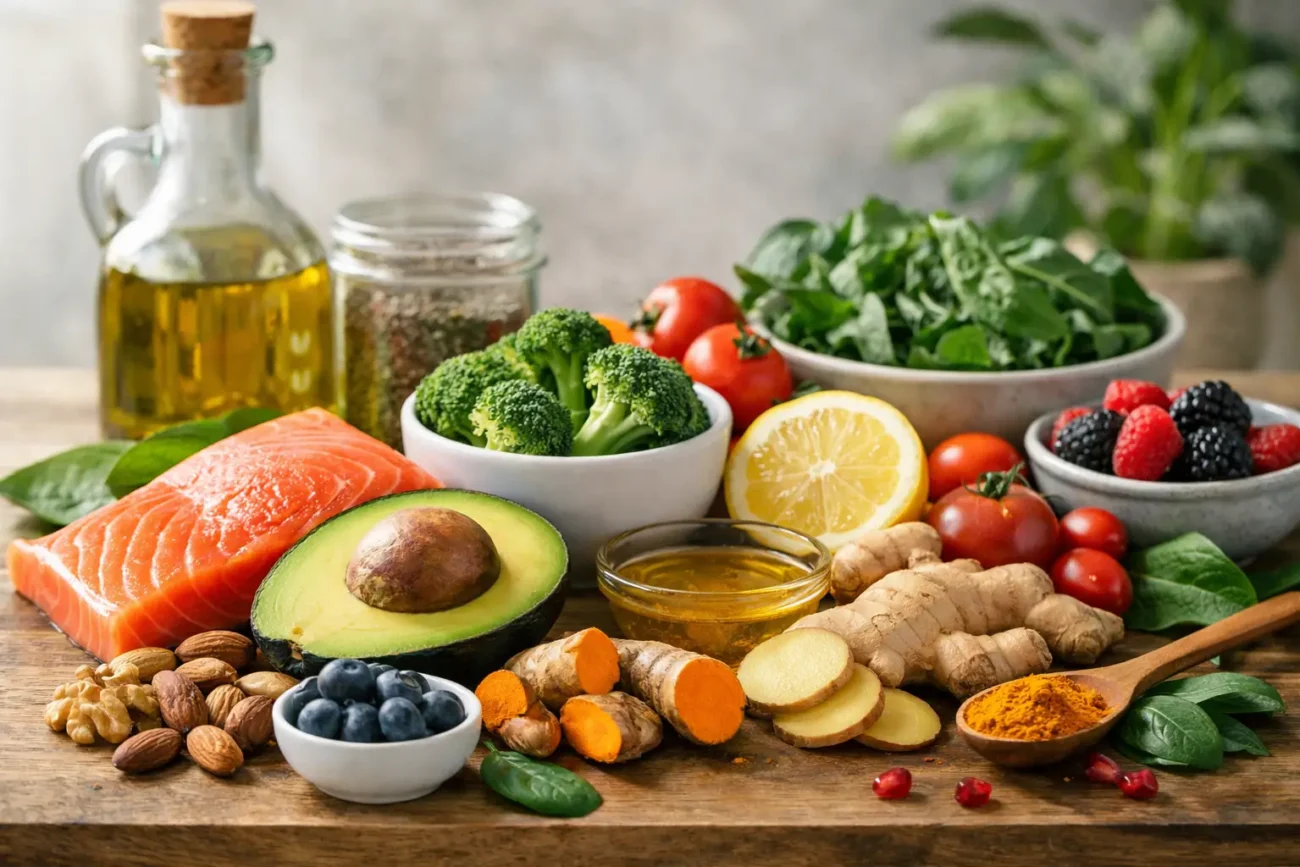
Feeling well as you get older is rarely about finding one perfect food. It is more often the result of ordinary meals that steadily support your muscles, blood vessels, brain, and metabolism. Longevity nutrition and an anti-inflammatory diet offer a useful framework for making those meals count without turning eating into a full-time project.
Inflammation is part of the body’s normal repair system. It helps you recover from an infection or a cut finger. The concern is chronic, low-grade inflammation: a persistent state associated with conditions that become more common in midlife, including cardiovascular disease, type 2 diabetes, some joint problems, and cognitive decline. Food cannot erase every risk factor, but dietary patterns can influence inflammation alongside sleep, activity, stress, smoking, alcohol, and genetics.
What longevity nutrition really means
Longevity nutrition is not a restrictive diet designed to make you look younger. It is an eating pattern that helps preserve function: the ability to move easily, maintain muscle, think clearly, protect heart health, and stay independent over time.
Research on healthy aging repeatedly points toward dietary patterns rather than miracle ingredients. Mediterranean-style eating is one well-studied example. It emphasizes vegetables, fruit, beans, whole grains, nuts, olive oil, fish, and modest amounts of dairy or other protein-rich foods. Similar patterns show up in many cultures, so there is no need to eat Mediterranean dishes at every meal to benefit.
The central idea is variety and quality. Plants provide fiber and thousands of natural compounds that interact with the gut microbiome and the immune system. Protein helps preserve lean muscle, which matters for strength, balance, glucose control, and resilience during illness. Unsaturated fats support cardiovascular health and help the body absorb fat-soluble nutrients. Together, these basics are more meaningful than chasing the latest longevity supplement.
How an anti-inflammatory diet fits in
An anti-inflammatory diet is sometimes presented as a strict protocol with banned foods and complicated rules. In practice, it is a flexible way of eating that favors foods linked with better cardiometabolic health and limits foods that tend to crowd them out.
The pattern is rich in colorful vegetables and fruit, beans and lentils, intact whole grains, nuts and seeds, olive oil, herbs and spices, and fish when you eat it. These foods generally provide fiber, potassium, magnesium, polyphenols, and healthy fats. Polyphenols are plant compounds found in foods such as berries, coffee, tea, cocoa, olives, and leafy greens. They are not magic on their own, but they may contribute to the benefits of a plant-forward pattern.
It also makes room for pleasure. A square of dark chocolate, a restaurant meal, or a family dessert does not create chronic inflammation. What matters is the usual pattern over weeks and years. The greater concern is a diet built largely around refined grains, sugary drinks, heavily processed snack foods, frequent processed meats, and excess alcohol, especially when it is low in fiber and nutrient-dense foods.
Inflammation is not always obvious
Many people try an anti-inflammatory approach because they feel tired, stiff, puffy, or mentally foggy. Those symptoms can have many causes, including poor sleep, thyroid conditions, anemia, depression, medication effects, menopause, or an untreated medical problem. Food changes may help, but they should not replace evaluation when symptoms are new, worsening, or affecting daily life.
You also do not need to pursue inflammation testing without a clear medical reason. Common blood markers can be useful in clinical context, but a single number does not tell the whole story. Your blood pressure, cholesterol, blood sugar, waist circumference, sleep, fitness, and how you feel all provide useful information.
The nutrients that matter more after 40
Protein supports healthy aging
Muscle naturally becomes harder to maintain with age, particularly during menopause, after periods of illness, or when activity drops. That makes protein one of the most practical parts of longevity nutrition. Rather than saving most of it for dinner, aim to include a meaningful source at breakfast and lunch as well.
Eggs, Greek yogurt, cottage cheese, fish, poultry, tofu, tempeh, edamame, beans, lentils, and lean meats can all fit. The best choice depends on your preferences, budget, culture, kidney health, and overall diet. If you have kidney disease or have been advised to limit protein, ask your clinician or a registered dietitian for individualized guidance.
Strength training is the partner protein needs. Food supplies building material, but resistance exercise gives your body a reason to maintain and build muscle. Even two or three weekly sessions can make a meaningful difference over time.
Fiber helps more than digestion
Fiber feeds beneficial gut bacteria and can help with regularity, cholesterol, blood sugar, and fullness. Yet many adults eat far less than recommended. Beans, lentils, oats, barley, berries, pears, vegetables, nuts, seeds, and whole grains are reliable sources.
Increase fiber gradually, especially if you currently eat little of it, and drink enough fluids. A sudden jump can cause uncomfortable gas or bloating. If you have inflammatory bowel disease, irritable bowel syndrome, or a history of bowel narrowing, the right amount and type of fiber may be more individual.
Choose fats that do useful work
Replacing some saturated fat and refined carbohydrates with unsaturated fats is generally more helpful than trying to eat as little fat as possible. Olive oil, avocado, nuts, seeds, and fatty fish such as salmon, sardines, trout, or mackerel are good options.
Omega-3 fats from fish are of particular interest because they are involved in inflammatory pathways and heart health. If you do not eat fish, plant foods like walnuts, chia, flax, and hemp still contribute healthy fats, though they are not identical substitutes. Supplements can be appropriate for some people, but they are not automatically necessary and can interact with blood-thinning medications.
Build meals without starting over
A practical anti-inflammatory plate has three anchors: a protein source, a generous portion of vegetables or fruit, and a high-fiber carbohydrate or healthy fat. It is simple enough to use at home, in a work cafeteria, or at a restaurant.
Breakfast might be plain Greek yogurt with berries, walnuts, and oats, or eggs with sautéed greens and whole-grain toast. For lunch, try a lentil soup with a side salad and olive oil dressing, or a grain bowl with salmon, roasted vegetables, and beans. Dinner could be chicken or tofu with broccoli, farro, and olive oil, or a vegetable-heavy chili topped with avocado.
Convenience foods are not automatically off-limits. Frozen vegetables, canned beans, bagged salad greens, plain yogurt, canned salmon, and pre-cooked whole grains can make this style of eating easier. When choosing packaged foods, look less for dramatic front-label claims and more for ingredients, fiber, protein, sodium, and added sugar.
What to change first
Trying to overhaul every meal at once often leads to a short burst of effort and then fatigue. Choose one change that addresses a real gap in your routine. If afternoons leave you ravenous, a protein- and fiber-rich lunch may be more useful than cutting all carbohydrates. If dinner is consistently takeout, keeping frozen vegetables and canned beans on hand may matter more than buying expensive powders.
A few changes are especially high-value: add a vegetable or fruit to meals you already eat, swap refined snacks for nuts or yogurt more often, cook with olive oil when it suits the dish, and make beans or fish a regular part of the week. If alcohol has become a nightly way to unwind, reducing the frequency or amount can also support sleep and overall health.
When a personalized plan is worth it
There is no one anti-inflammatory diet for everyone. People managing diabetes may need to pay closer attention to carbohydrate portions. Those with high LDL cholesterol may benefit from limiting saturated fat more deliberately. People with celiac disease, food allergies, digestive disorders, or a history of disordered eating need plans that account for those realities rather than generic restrictions.
A registered dietitian can be especially helpful if weight changes, digestive symptoms, medication interactions, or a medical diagnosis make food feel complicated. The goal is not dietary perfection. It is a pattern you can enjoy and continue.
Healthy aging is built through repeatable choices, not a pristine grocery cart. Start with the meal you eat most often, make it a little more colorful and satisfying, and let that small improvement become part of your normal life.

6 thoughts on “Longevity Nutrition and Anti-Inflammatory Diet”